





Which off-grid solar inverter is best for my home backup?
- 1. How do I determine the appropriate power capacity for my off-grid solar inverter?
- 2. What is the significance of surge capacity in an off-grid solar inverter?
- 3. How does the type of solar charge controller (MPPT vs. PWM) affect my off-grid system?
- 4. What are the advantages of a pure sine wave inverter over a modified sine wave inverter?
- 5. How do I ensure my off-grid solar inverter is compatible with my battery bank?
- 6. What maintenance is required for off-grid solar inverters to ensure longevity?
1. How do I determine the appropriate power capacity for my off-grid solar inverter?
Choosing the right power capacity for your off-grid solar inverter is crucial to meet your home's energy demands without overloading the system. Begin by calculating the total wattage of all appliances you intend to run simultaneously. For instance, if your refrigerator (150W), lights (200W), and television (100W) are running together, the total is 450W. It's advisable to select an inverter with a capacity that exceeds this total to accommodate startup surges and ensure efficient operation.
2. What is the significance of surge capacity in an off-grid solar inverter?
Surge capacity refers to the inverter's ability to handle short-term power spikes, such as those occurring when appliances with motors (like refrigerators or air conditioners) start up. These appliances can require up to 2-3 times their rated power during startup. An inverter with adequate surge capacity ensures these appliances operate smoothly without tripping the system.
3. How does the type of solar charge controller (MPPT vs. PWM) affect my off-grid system?
The solar charge controller manages the voltage and current from your solar panels to charge your batteries. Maximum Power Point Tracking (MPPT) controllers are more efficient, especially in varying sunlight conditions, as they adjust the input voltage to maximize power output. Pulse Width Modulation (PWM) controllers are simpler and less expensive but less efficient, particularly when there's a significant difference between panel voltage and battery voltage.
4. What are the advantages of a pure sine wave inverter over a modified sine wave inverter?
Pure sine wave inverters produce a smooth, consistent waveform similar to grid power, making them suitable for sensitive electronics like computers and medical equipment. Modified sine wave inverters are less expensive but can cause interference with electronic devices and may not be compatible with all appliances.
5. How do I ensure my off-grid solar inverter is compatible with my battery bank?
Compatibility between your inverter and battery bank is essential for system efficiency and longevity. Ensure the inverter's voltage matches your battery bank's voltage (e.g., 12V, 24V, or 48V). Additionally, consider the inverter's charging capabilities to match your battery type (e.g., lead-acid or lithium-ion) and ensure it can handle the required charging current.
6. What maintenance is required for off-grid solar inverters to ensure longevity?
Regular maintenance of your off-grid solar inverter includes: cleaning dust and debris from vents and fans to prevent overheating; checking and tightening all electrical connections to ensure safety and efficiency; monitoring system performance to identify any issues early; and updating firmware as recommended by the manufacturer to maintain optimal functionality.
In conclusion, selecting the right off-grid solar inverter involves careful consideration of your home's energy needs, appliance types, and system compatibility. By addressing these specific questions and understanding their implications, you can make an informed decision that ensures reliable and efficient home backup power.
For personalized assistance and a detailed quote tailored to your specific requirements, please contact us at info@csinverter.com or visit our website at www.csinverter.com.


Modified Sine Wave Inverters
Is it compatible with both 12V and 24V vehicles?
Yes, it supports DC12V/24V dual input.
How to connect the battery with the battery clip?
Connect the positive and negative poles of the battery clip to the positive and negative poles of the battery respectively, and ensure a firm connection.
Can other input voltages be customized?
Yes, the regular is DC12V, and DC24V, etc. can be customized. Please consult customer service for details.
Is it normal for the inverter to heat up when working?
It is normal for it to generate some heat when working. If the temperature is too high (e.g., hot to the touch), please stop using it and check if the load is overloaded.
Distributor
Do I need to carry inventory?
We offer flexible inventory options based on your market needs, and we can assist with supply chain management.
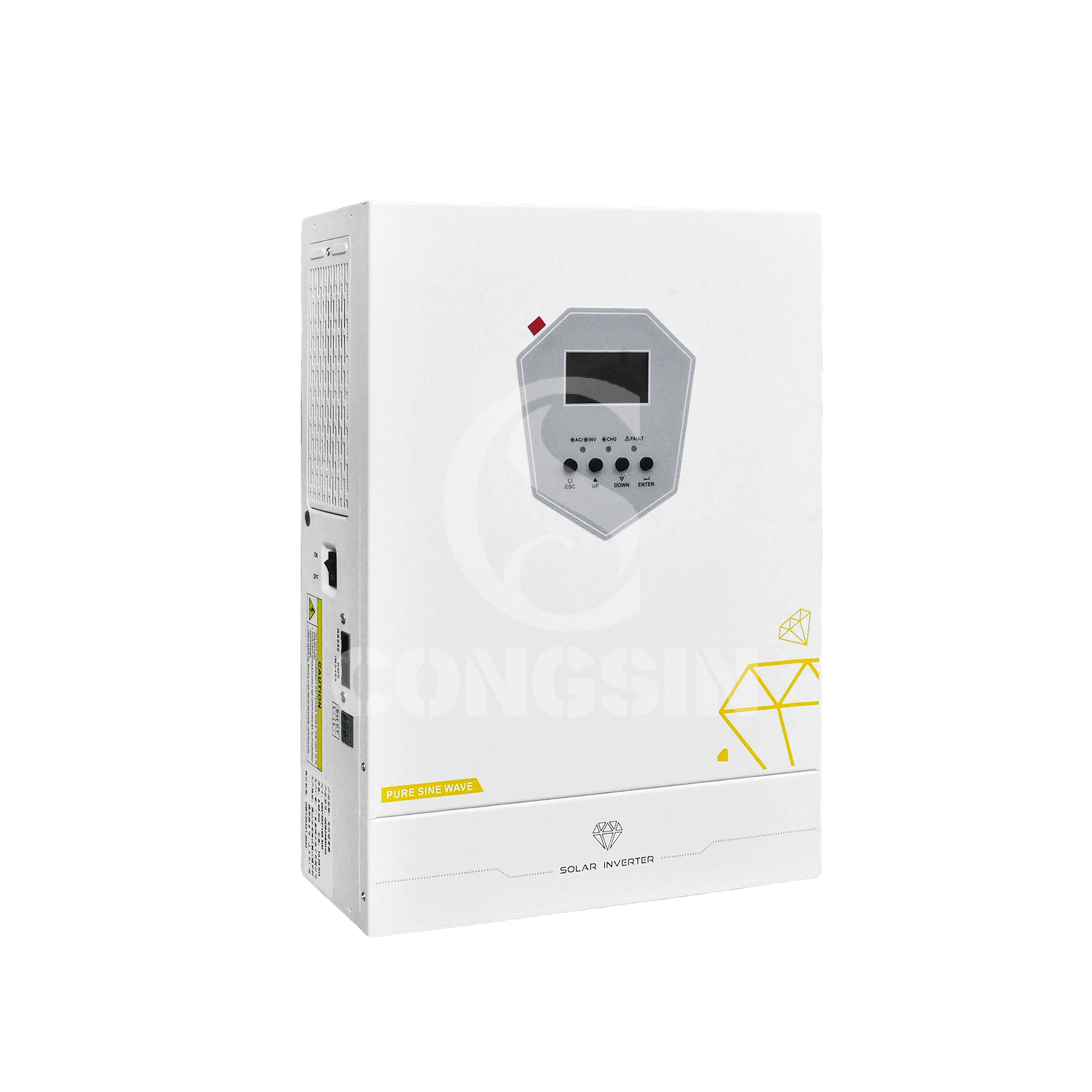
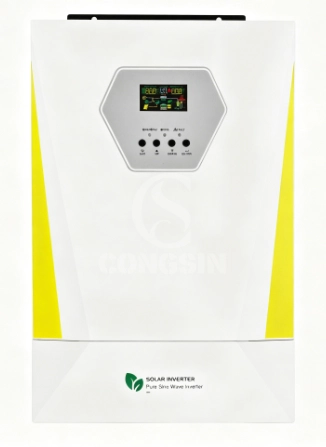
Power your solar system efficiently with the Congsin 4000W and 6000W Hybrid Inverter. Featuring an integrated MPPT Controller, this CE Certified inverter ensures optimal energy conversion. Monitor performance effortlessly via the intuitive LCD Display. Reliable, powerful, and ready for your sustainable energy needs.
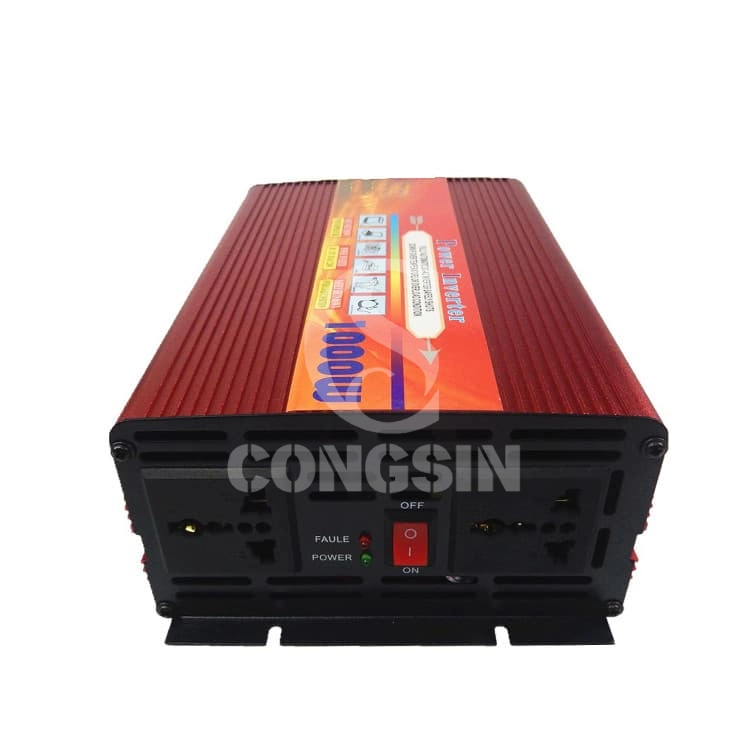
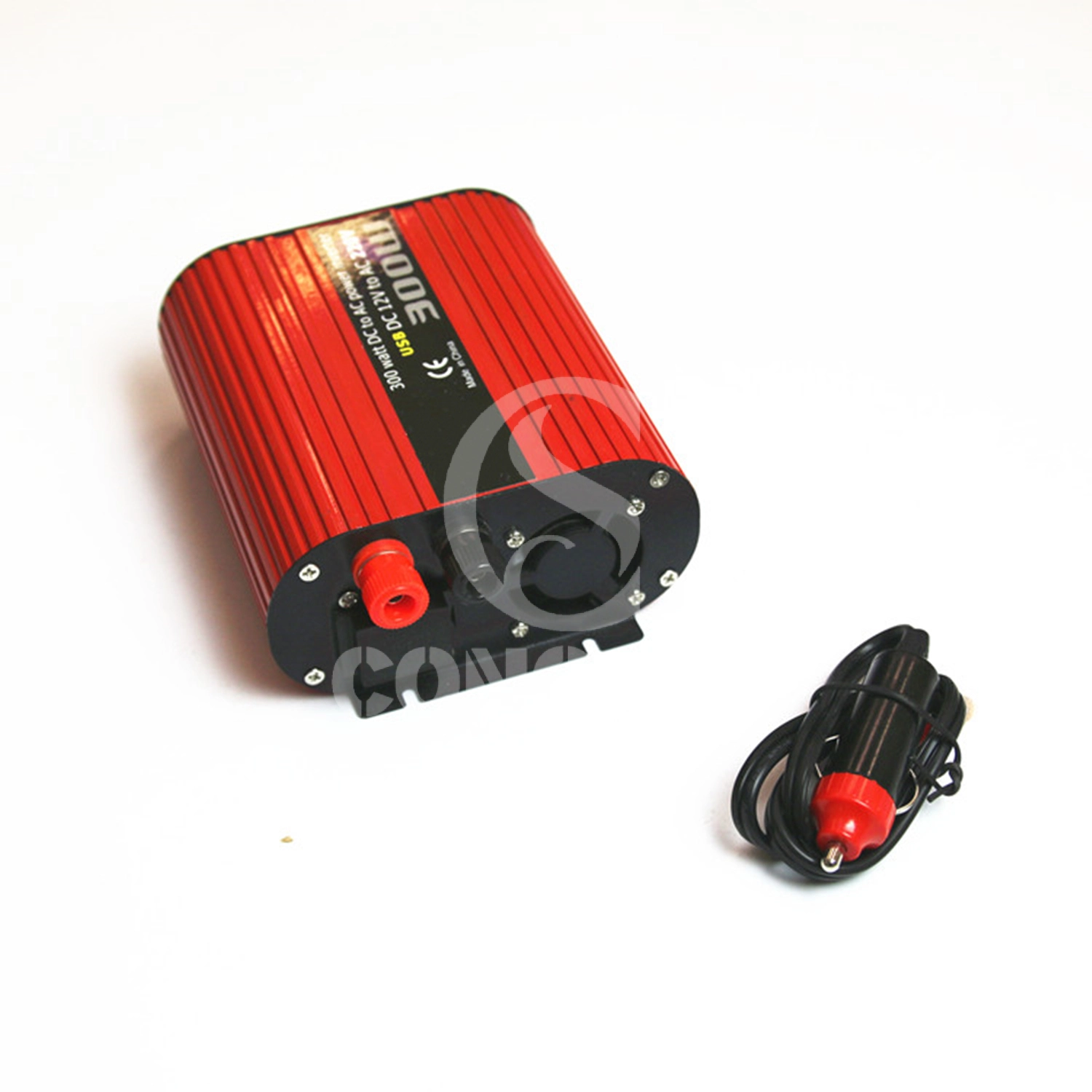
Congsin's Portable 150W Modified Sine Wave Inverter powers your journey! This versatile Car Power Inverter with USB acts as a reliable 12V to 220V converter, ensuring an essential off-grid power supply. With dual USB ports and a universal socket, enjoy convenient power on the go.
Get in Touch with Our Team
You can also communicate with us directly through our online contact form. Please fill in the following information, and our team will contact you as soon as possible after receiving your message.

CONGSIN is a trusted OEM factory for power inverters, solar charge controllers, and DC converters. Reliable solutions for global B2B buyers.
 High Quality
 7/24 Service
 Guaranteed Warranty
© 2025 Congsin. All Rights Reserved.
 WeChat
 Scan QR Code
sin cong
teaimei10
Whatsapp: +8618028086791
Scan QR Code